
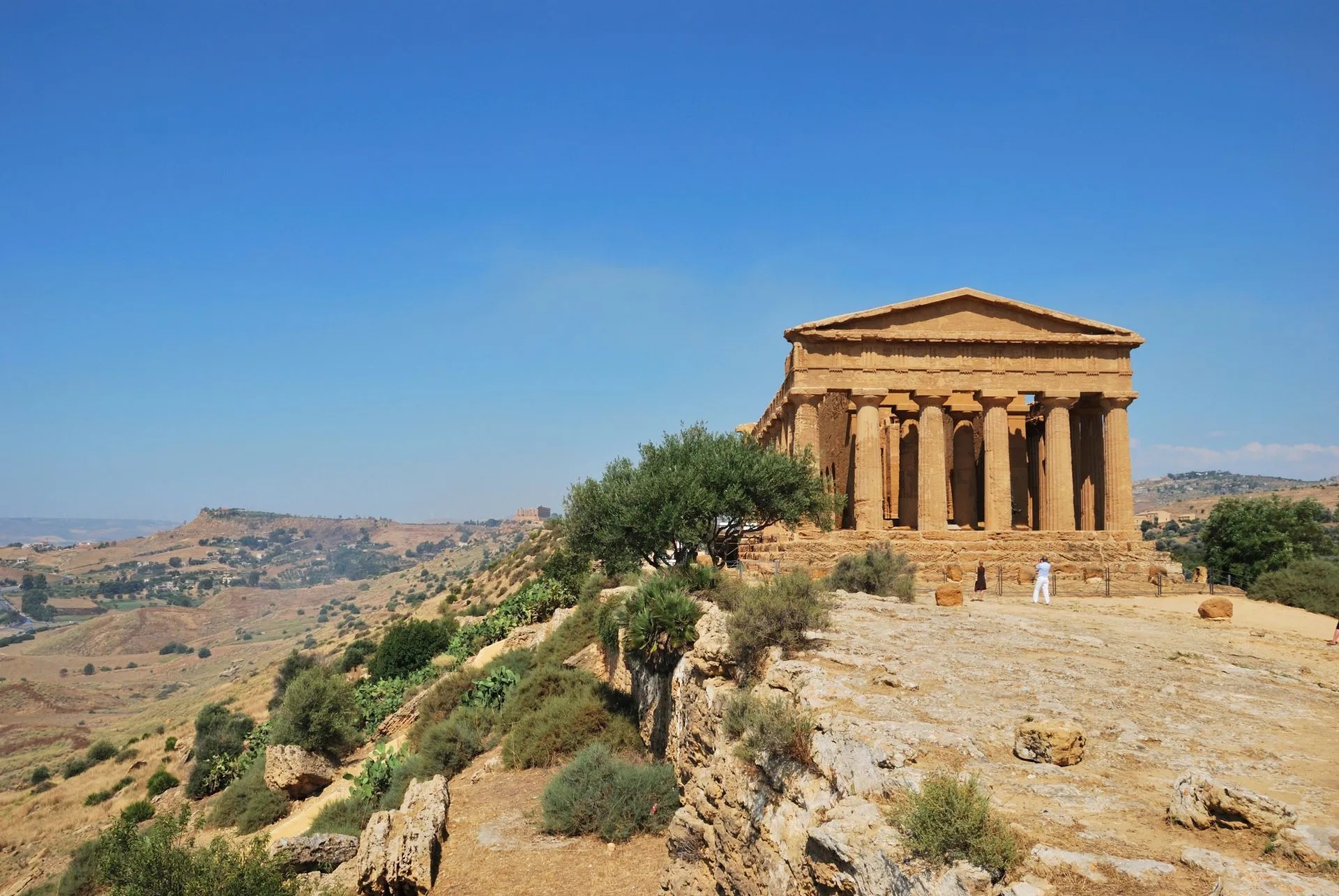
Temple of Concordia
This is one of the best-preserved ancient Greek temples in the world, noted for its intact peristyle and pediments.
View from the lower path to capture the entire front facade.

The Valley of the Temples sprawls across 1,300 hectares of Sicilian hillside, blending monumental Greek temples with medieval churches and a regional archaeology museum. Most visitors underestimate the site's scale and the pace required to navigate its sun-exposed paths. Knowing how long you need depends on which route you walk, the season you visit, and whether you include the museum.
Quick answer
How long to visit Valley of the Temples depends on your route. The main archaeological itinerary from the Temple of Juno to the Temple of Concordia takes 2-3 hours at a comfortable pace. Adding the western zone with the Temple of Castor and Pollux, the Sanctuary of Chthonic Deities, and the Garden of Kolymbethra extends the visit to 4-5 hours. Including the Regional Archaeological Museum adds another 60-90 minutes. Summer heat slows walking; early-morning arrivals allow more ground to be covered before midday temperatures peak.
The archaeological park contains eight major temple structures, three necropolises, a fortification system, and remnants of Hellenistic and Roman residential quarters scattered across two ridges. The eastern ridge holds the best-preserved monuments—the Temple of Concordia ranks among the most intact Doric temples outside Greece—while the western zone reveals older foundations and the layered remains of sanctuaries dedicated to underworld deities. The distance between the easternmost and westernmost points exceeds two kilometers, much of it along gravel paths with minimal shade. How long to visit Valley of the Temples hinges on whether you walk the full perimeter or concentrate on the eastern highlights. The standard route begins at the upper entrance near the Temple of Juno, descends past the Temple of Concordia and the Temple of Heracles, then loops back via the lower road. This core itinerary covers roughly 1.5 kilometers and takes two to three hours when you pause to read panels and photograph the temples against the Mediterranean backdrop. Extending into the western zone—the Temple of Olympian Zeus lies in monumental ruins, and the Sanctuary of Chthonic Deities preserves altars and votive deposits—adds another two kilometers and pushes total time past four hours. Summer visitors face exposure on open ridgelines where temperatures regularly exceed 35°C between June and August. The site opens at 08:30; arriving within the first hour allows you to complete the eastern route before the midday heat intensifies and tour groups converge near the Temple of Concordia. Autumn and spring offer moderate temperatures and extended daylight, making the full circuit more comfortable. Winter visits are mild but afternoons are short, with the site closing at 20:00 year-round but effective light diminishing by 17:00 in December and January. The Regional Archaeological Museum, located outside the main park entrance, houses artifacts excavated from the temples and necropolises, including the Ephebe of Agrigento and painted kraters from the 5th century BC. Budget 60 to 90 minutes if you plan to visit. Combined tickets are available, but the museum and the park are separate visits requiring transportation between them. Most travelers prioritize the temples themselves, reserving the museum for a second day or skipping it when time is limited.
“The distance between the easternmost and westernmost points exceeds two kilometers, much of it along gravel paths with minimal shade.”
This walking route suits most visitors and takes 2.5 to 3 hours at a moderate pace, including photo stops and time to read plaques. Begin at the eastern entrance near the Temple of Juno and work your way west along the main path.
Start at the easternmost temple, perched on a ridge with views across the valley. Allow 20 minutes to walk the perimeter and observe the partially reconstructed columns—arrive early to photograph without crowds.
Walk 10 minutes west to the best-preserved Doric temple in the park, notable for its near-complete colonnade and Christian-era modifications. Spend 25–30 minutes circling the structure and reading the panels that explain its conversion into a basilica.
Continue west for 5 minutes to the oldest temple in the complex, recognizable by eight re-erected columns along its southern flank. Budget 15 minutes here; the fragmented ruins illustrate earthquake damage and the scale of ancient construction.
Follow the ancient sacred road past rock-cut tombs and the remnants of city walls. This 15-minute stretch offers context for the site's layered history and connects the eastern ridge to the western zone.
Reach the sprawling ruins of one of antiquity's largest temples, famous for its fallen telamones (giant Atlas figures). Allocate 30 minutes to study the reconstructed telamon in the site museum nearby and walk among the massive column drums.
End with a 20-minute stroll through this sunken citrus garden managed by FAI, located below the western temples. The shaded paths and water channels provide a cool retreat before exiting toward the parking area.
The Valley of the Temples remains open to visitors every day of the week with consistent operating hours throughout the schedule.
The Valley of the Temples contains several distinct archaeological zones that define the visitor experience. Prioritizing these primary structures helps organize your time within the site.
This is one of the best-preserved ancient Greek temples in the world, noted for its intact peristyle and pediments.
View from the lower path to capture the entire front facade.
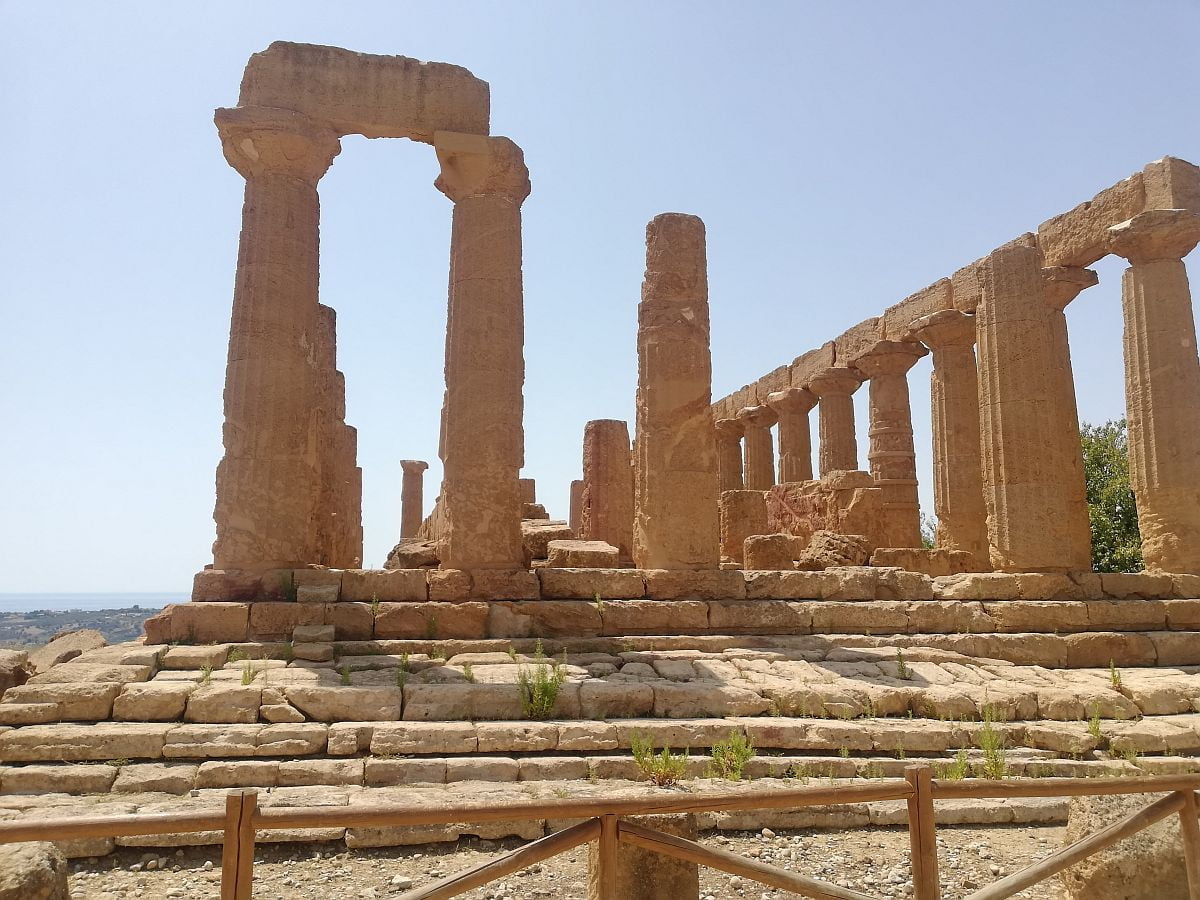
Located at the eastern end of the ridge, this temple offers significant views over the surrounding landscape and the sea.
Walk to the eastern corner for optimal perspective of the columns.

Although largely in ruins, this site displays the scale of what was once among the largest Doric temples ever constructed.
Look for the telamon figure cast in the nearby area.
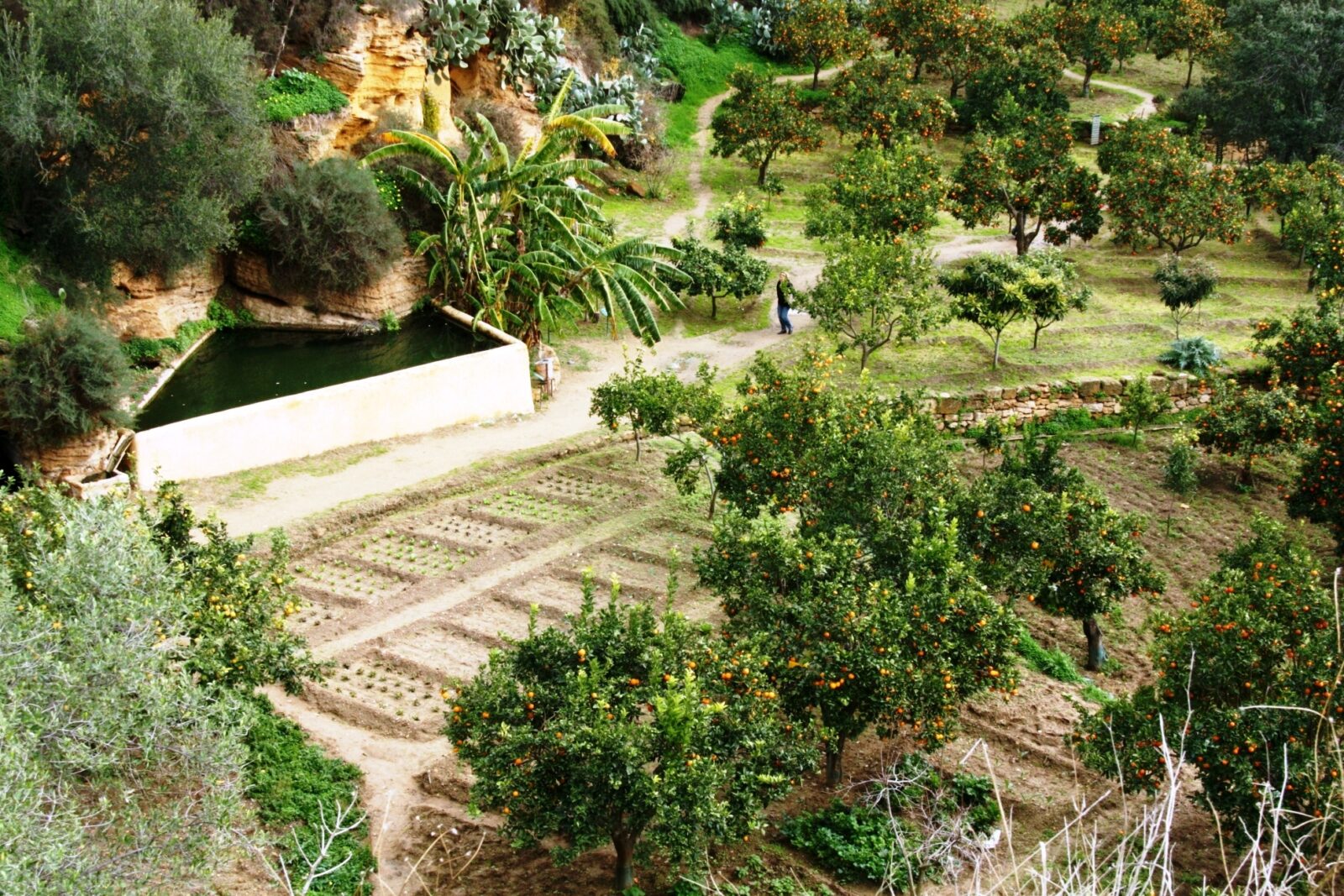
This lush valley area sits between the temples and features ancient irrigation tunnels and Mediterranean vegetation.
Visit during the mid-morning to experience the garden shade.
Maximize your time at the Valley of the Temples by optimizing your physical comfort and navigation strategy.
Start your visit at the Temple of Juno entrance and walk downhill toward the Temple of Concordia to save energy. This route ensures you finish near the exit where transportation is more readily available.
Water fountains are located at the main visitor centers, but sections between temples have limited coverage. Carry at least one liter of water per person to avoid backtracking to service areas.
The archaeological site features uneven terrain, loose gravel, and steep paths. Wear sturdy, closed-toe walking shoes to maintain a steady pace across the diverse surfaces.
There is minimal natural shade along the main temple ridge. Bring a wide-brimmed hat and apply high-SPF sunscreen before entering, regardless of the season, to prevent heat exhaustion.
Professional tripods require special permits and can slow your movement through crowded areas. Use a monopod or handheld stabilizers if you need support for photography while maintaining a steady flow through the site.
Everything you need to know about how long to visit valley of the temples
Most visitors spend between 2 and 3 hours exploring this archaeological park. The total duration depends on your personal interest in the Greek ruins and walking speed across the site.
Joining a structured tour can help you navigate the landscape more efficiently, ensuring you see key points of interest. These excursions often provide historical context that enriches the experience while maintaining a steady pace.
The time spent on site varies based on your interest in the Temple of Concordia or the Temple of Juno. Because the site is extensive, those interested in detailed photography or archaeology often extend their stay.
To avoid peak heat and large crowds, plan your visit for the 08:30–10:30 window. Arriving early allows you to complete your tour comfortably before the midday sun intensifies.
Visitors should wear comfortable footwear and bring water, as the path involves significant walking over uneven terrain. Respecting the signage and staying on marked paths helps preserve the integrity of these ancient monuments.
It is possible to view the major shrines in a few hours if you maintain a steady pace. Focus on the main path to experience the most significant architecture within a standard morning visit.
Is Palermo Worth Visiting? Travel Guide
Read more Tickets & toursPalermo to Valley of the Temples Day Trip
Read more GuidePalermo to Valley of the Temples by Train or Bus
Read more Tickets & toursAgrigento and Valley of the Temples Day Tours
Read more GuideHow to Get to Valley of the Temples from Palermo
Read more